

Miami’s humid climate makes HVAC mold removal in Miami, FL an important service for homeowners facing persistent moisture problems. Constant air conditioning, condensation, and tropical weather can create conditions that encourage mold growth inside cooling equipment. Consequently, homeowners may notice musty odors, suspicious buildup, or recurring moisture around their HVAC systems. Our service focuses on identifying potential contamination, evaluating moisture sources, and recommending appropriate remediation solutions. Call (321) 291-2631 today to discuss your concerns and arrange an inspection.
Why Miami’s Climate Encourages HVAC Mold Growth
South Florida’s tropical weather places heavy demands on residential air conditioning systems. High humidity and frequent rainfall create ongoing moisture challenges. Additionally, warm air naturally produces condensation when it contacts cold cooling surfaces.
Homes in Brickell, Coconut Grove, and Little Havana often rely on air conditioning throughout the year. Therefore, condensate drainage and proper ventilation play important roles in maintaining equipment.
Clogged drain lines, dirty evaporator coils, and damaged insulation can contribute to damp conditions. Furthermore, roof leaks and storm-related moisture may affect nearby ductwork.
Early inspection helps homeowners identify potential problems before moisture damages surrounding materials.
Our Careful HVAC Mold Assessment Process
Effective remediation requires more than spraying cleaning products into your air conditioner. Instead, professionals must evaluate the contamination and identify its moisture source.
Detailed HVAC Mold Removal in Miami, FL
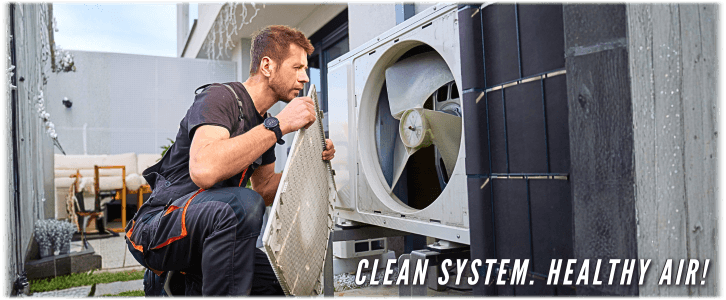
First, technicians examine accessible air handlers, cooling coils, condensate pans, and nearby ventilation components. Next, they look for suspicious growth, standing water, and damaged insulation.
Because dust and discoloration can resemble mold, qualified professionals may recommend further assessment. This approach helps distinguish ordinary buildup from contamination requiring specialized treatment.
For confirmed contamination, professional HVAC mold remediation uses appropriate containment and material-specific cleaning methods. Additionally, technicians must prevent unnecessary exposure and protect surrounding living spaces.
Some porous materials may require replacement when contamination penetrates their surfaces. After treatment, professionals should correct drainage problems and other moisture sources.
Finally, we explain our findings and recommend practical maintenance steps to help prevent recurring problems.
Warning Signs of Mold Around Your Air Conditioner
Mold-related concerns sometimes develop inside equipment cabinets or concealed ventilation areas. However, several warning signs may indicate a need for professional evaluation.
Musty odors: Persistent smells when your AC operates may indicate moisture or microbial activity.
Visible suspicious patches: Unusual discoloration around accessible components deserves closer examination.
Standing condensate water: Drainage problems can encourage microbial growth and damage nearby materials.
Excessive condensation: Persistent moisture around equipment may indicate insulation or humidity control problems.
Recurring dampness: Wet surrounding surfaces can support contamination beyond the air conditioning system.
Additionally, unusual odors following water damage deserve attention. Avoid disturbing suspected mold or applying household bleach inside HVAC equipment.
Protect Indoor Air Quality and Cooling Efficiency
Your HVAC system circulates conditioned air throughout your living spaces. Consequently, confirmed contamination inside cooling equipment deserves appropriate professional attention.
Professional air conditioner mold removal addresses affected components while considering moisture control and equipment safety. However, treatment alone cannot correct damaged duct connections or persistent drainage problems.
Routine AC coil cleaning helps remove ordinary dirt buildup that interferes with heat transfer. Meanwhile, ductwork inspection can identify leaks and insulation defects.
When appropriate, air duct cleaning addresses accumulated debris inside ventilation pathways. Additionally, air duct mold removal may require specialized treatment when professionals confirm contamination inside duct materials.
Each service addresses a different concern. Therefore, careful evaluation helps homeowners choose suitable maintenance solutions.
Prevent HVAC Mold Problems in Miami Homes
Properties near Coral Gables, Wynwood, and Kendall experience long cooling seasons and frequent humidity. As a result, homeowners should prioritize moisture management throughout the year.
Maintain indoor humidity below 60 percent, ideally between 30 and 50 percent. Furthermore, inspect condensate drains regularly and address water leaks promptly.
Properly insulated cooling lines and ductwork help reduce unwanted condensation. Additionally, routine filter replacement supports airflow and normal equipment operation.
After tropical storms, homeowners should check accessible HVAC areas for water intrusion. Early investigation may help prevent extensive moisture-related damage.
Frequently Asked Questions
Can mold inside an HVAC system affect indoor air quality?
Yes. Mold contamination may release spores and other particles into circulating air. Therefore, homeowners should investigate suspected growth and address moisture problems promptly.
Does regular AC maintenance prevent all mold problems?
No. Routine maintenance helps control moisture and identify equipment problems, but leaks and humidity can still encourage growth. Prompt repairs remain important.
When should I schedule HVAC mold removal in Miami, FL?
Schedule an assessment when you notice persistent musty odors, suspicious growth, or recurring moisture around cooling equipment. Professional HVAC mold removal in Miami, FL can address confirmed contamination and underlying moisture concerns.
Schedule Your Miami HVAC Mold Assessment Today
Don’t let recurring moisture or suspected contamination create larger problems inside your cooling system. Miami’s tropical climate makes timely inspections and humidity control especially important. Our service focuses on careful assessments, appropriate remediation recommendations, and practical prevention strategies. Call (321) 291-2631 today to schedule an evaluation and discuss professional HVAC mold removal in Miami, FL.